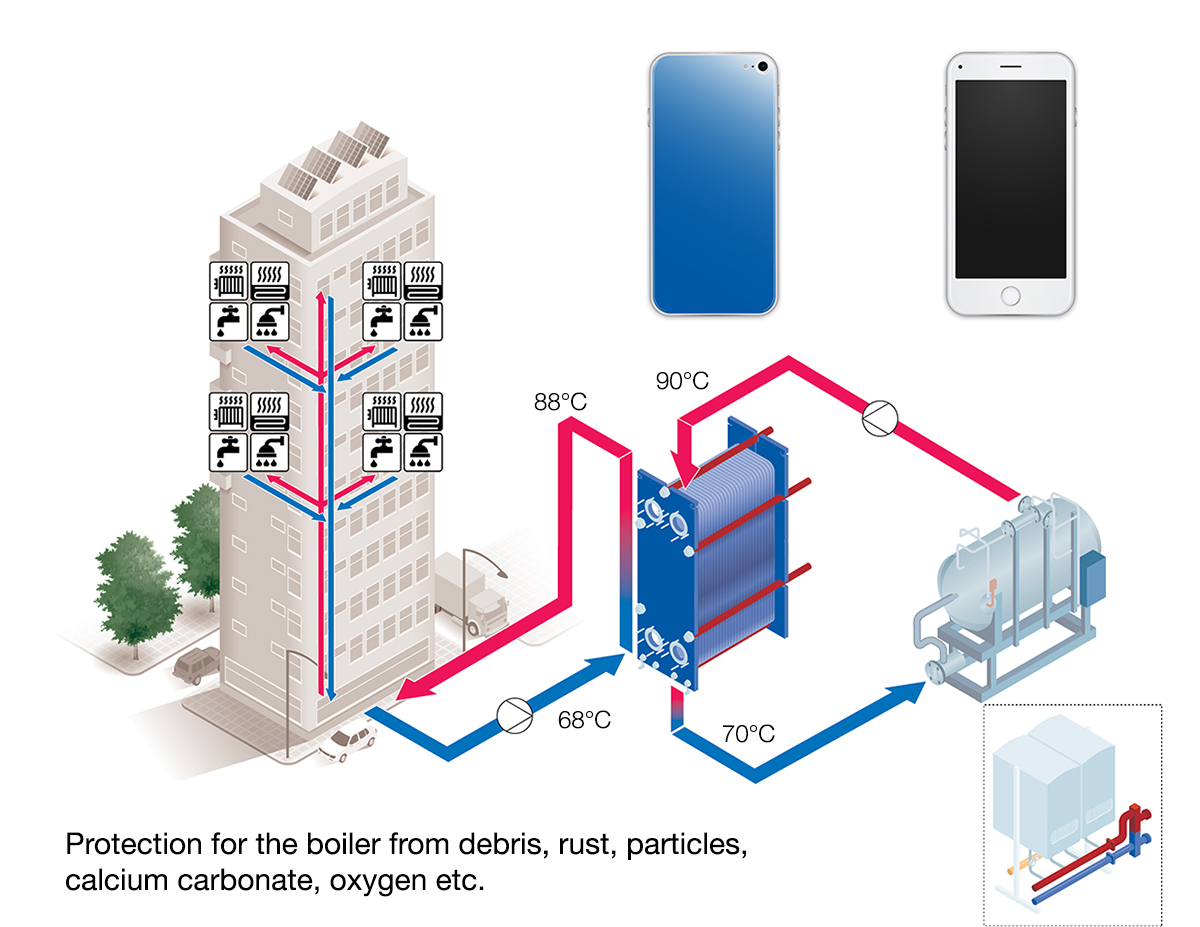
Keeping your heat exchanger clean is extremely important for process performance. Cleaning should be done before complete fouling or process issues occur resulting in production losses or irreversible damages.
Cleaning benefits:
- Restores process equipment to optimal condition
- Minimises maintenance downtime and labour costs
- Maintains optimal performance
- Minimises pump energy consumption
- Reduces carbon footprint
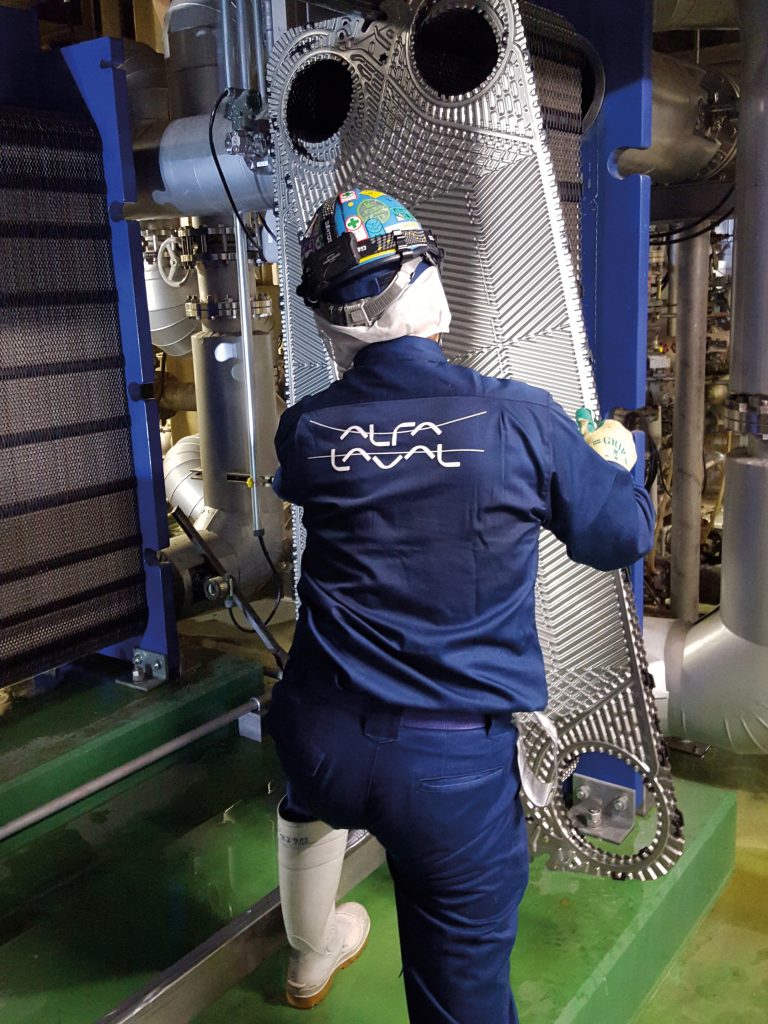
So how do you clean a plate and heat exchanger?
Potential cleaning services available to you:
- Mechanical cleaning (on-site or off-site) – washing the equipment
- Cleaning-In-Place (CIP) – CIP systems enable quick and easy inline cleaning, without dismantling the heat exchanger
- Cleaning chemicals – specially developed non-toxic agents that safeguard gasket, glue and heating surface materials
To find out more about what is the appropriate cleaning service package for your heat exchanger, get in touch with our service team.
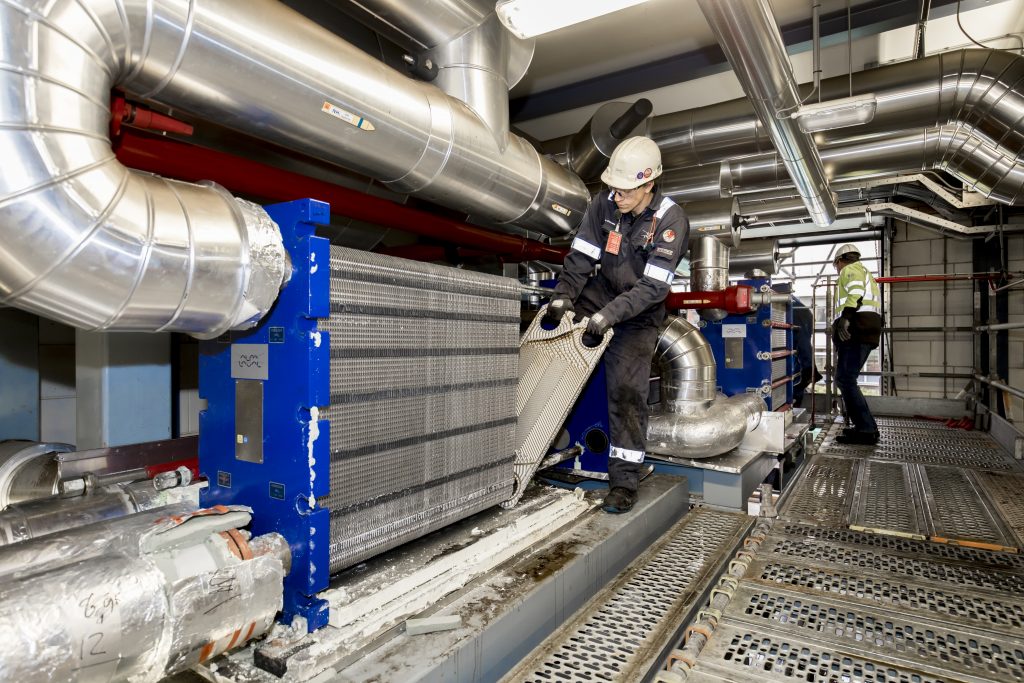
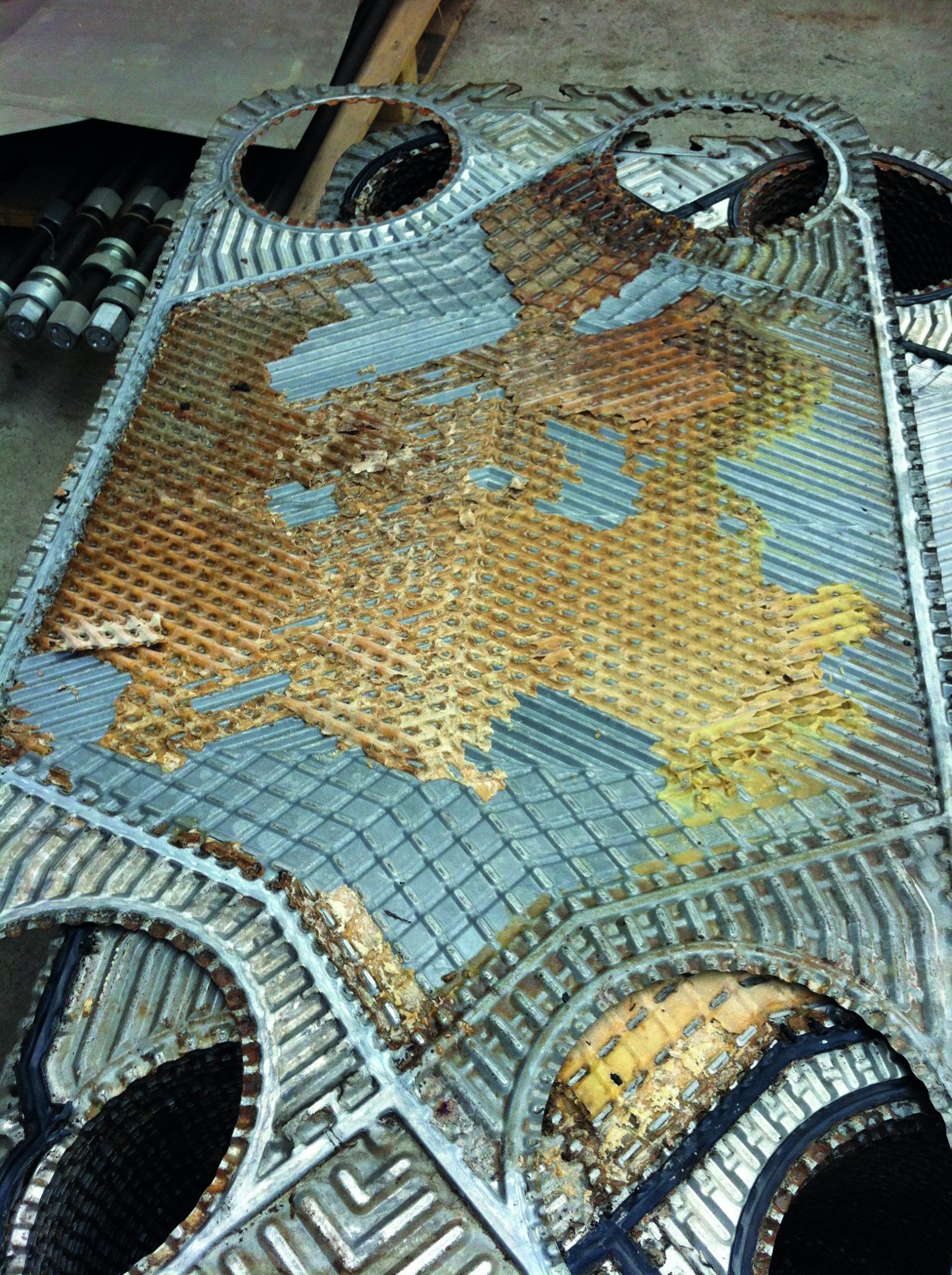
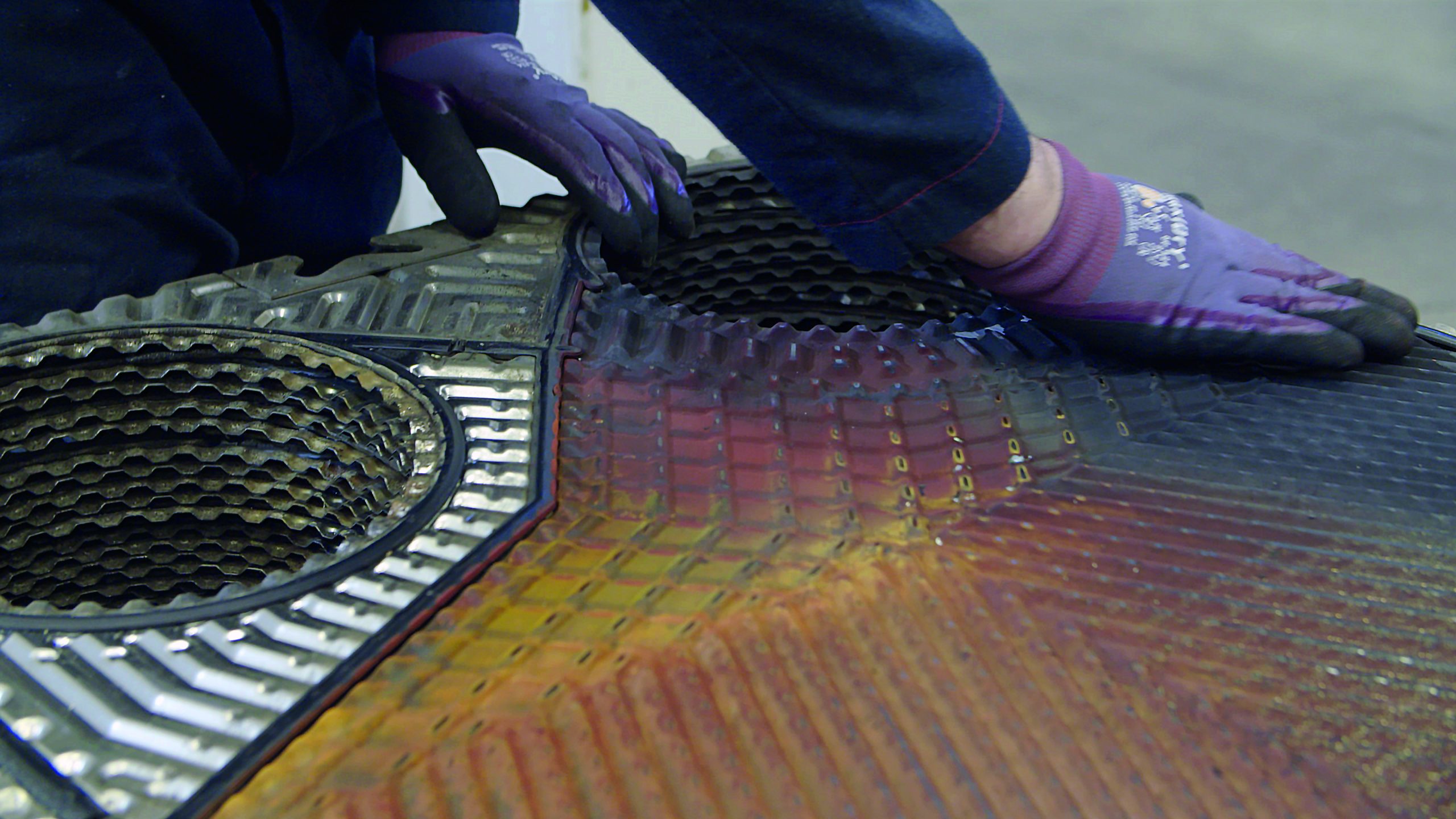
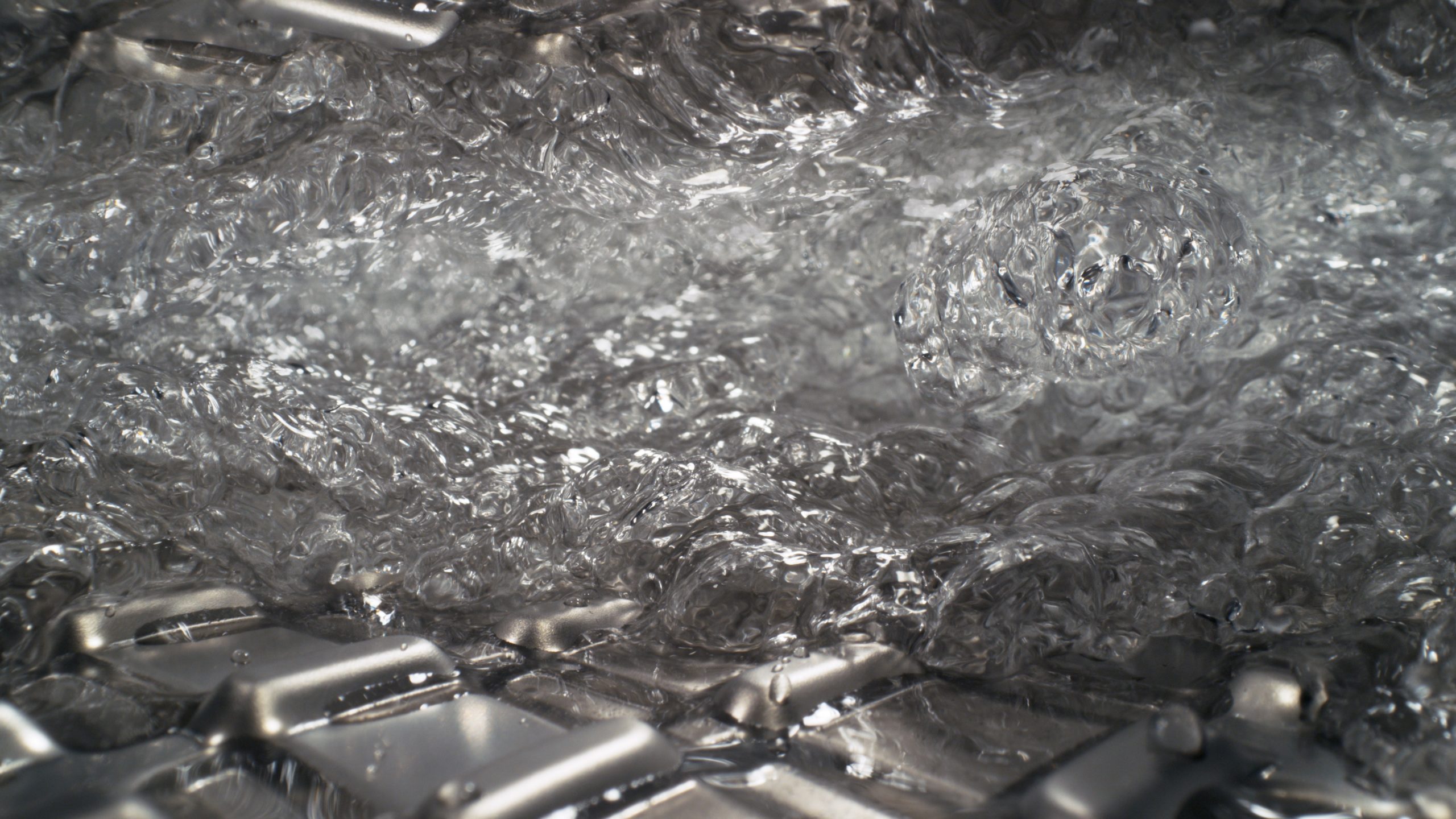
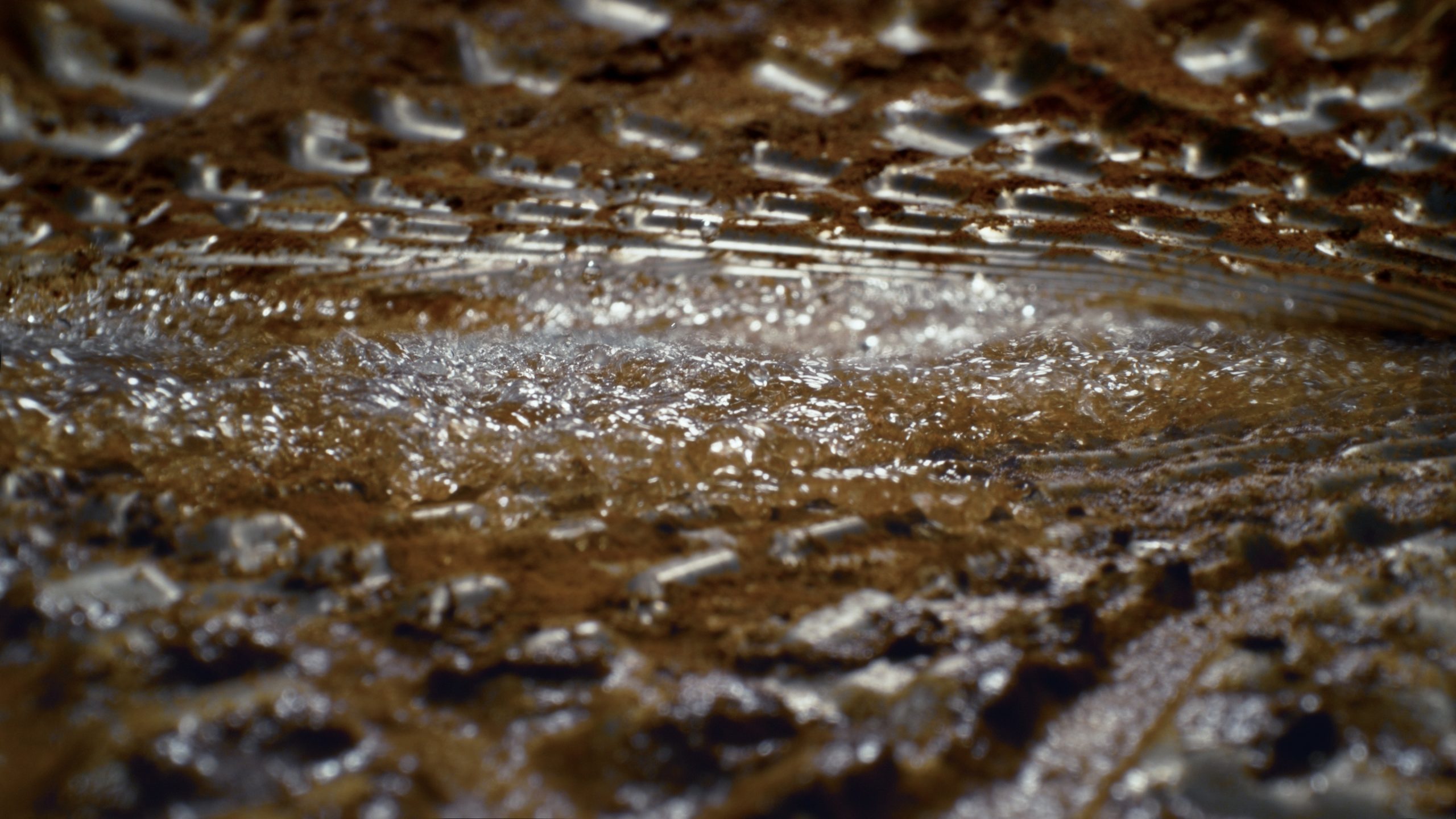
Cleaning, crack detection, reassembling with new gaskets, pressure testing and replacement of defective plates are just some of the things we help you with, as well as making recommendations for other service measures. You can tailor your own package of services or choose a pre-defined one.
Reconditioning refers to services performed to the plates inside the gasketed plate heat exchanger. Our professionals remove gaskets and scaling with specialized tools and chemicals. This prevents corrosion and creates an ideal surface for regasketing – without you having to handle the chemicals or waste. In addition, they thoroughly examine your heat exchangers, correcting any sealing problems or deformities. These services ensure your equipment continues to deliver high efficiency and optimal performance.
Full reconditioning is always necessary at a certain point. However, by using intermediate cleaning services it’s possible to prolong the intervals between reconditioning.